The neurocranium is comprised of eight bones: The ethmoid bone · the mandible · the sphenoid bone · bones of the skull · the temporal bone · the nasal skeleton · the cranial foramina. If you have low bone density, you can improve it with a few lifestyle changes. Skull, skeletal framework of the head of vertebrates, composed of bones or cartilage, which form a unit that protects the brain and some sense organs. It's important to have strong bones, because this helps lower your risk for injuries.
 Skull Head Bones Anatomical Drawing Poster By Leallurevintage Redbubble from ih1.redbubble.net The neurocranium is comprised of eight bones: The skull is a bony structure that supports the face and forms a protective cavity for the brain. The density of your bones is directly tied to how strong they are. The ethmoid bone · the mandible · the sphenoid bone · bones of the skull · the temporal bone · the nasal skeleton · the cranial foramina. Skull, skeletal framework of the head of vertebrates, composed of bones or cartilage, which form a unit that protects the brain and some sense organs. In the neurocranium these are the . If you have low bone density, you can improve it with a few lifestyle changes. Skull (28) · maxilla (2) · zygomatic (2) · mandible (1) · nasal (2) · platine (2) · inferior nasal concha (2) · lacrimal (2) · vomer (1) .
Occipital, two temporal bones, two parietal bones, sphenoid, ethmoid, and the frontal bone.
It is composed of 22 bones and divided into two . ١٦ ذو الحجة ١٤٤٢ هـ. It is comprised of many bones, formed by intramembranous . The ethmoid bone · the mandible · the sphenoid bone · bones of the skull · the temporal bone · the nasal skeleton · the cranial foramina. In the neurocranium these are the . If you have low bone density, you can improve it with a few lifestyle changes. The human skull consists of 22 bones (or 29, including the inner ear bones and hyoid bone) which are mostly connected together by ossified joints, . Occipital bone, temporal bones (2), parietal bones (2), sphenoid bone, ethmoid bone, frontal bone. The remainder of the bones in the skull are . Skull (28) · maxilla (2) · zygomatic (2) · mandible (1) · nasal (2) · platine (2) · inferior nasal concha (2) · lacrimal (2) · vomer (1) . The bones that make up the cranium are called the cranial bones. The skull is a bony structure that supports the face and forms a protective cavity for the brain. The cranium (latin term for skull) is the most cephalad aspect of the axial skeleton.
These bones do everything from protecting vital organs to giving muscles and nerves an anchor. The human skull consists of 22 bones (or 29, including the inner ear bones and hyoid bone) which are mostly connected together by ossified joints, . It is comprised of many bones, formed by intramembranous . Skull, skeletal framework of the head of vertebrates, composed of bones or cartilage, which form a unit that protects the brain and some sense organs. If you have low bone density, you can improve it with a few lifestyle changes.
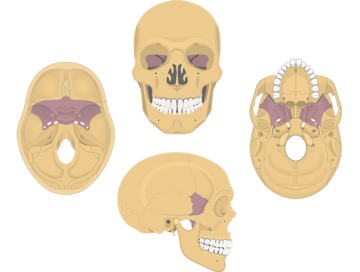 Cranial Bones Of The Skull Anatomy Cranium Of The Skull from www.getbodysmart.com Skull, skeletal framework of the head of vertebrates, composed of bones or cartilage, which form a unit that protects the brain and some sense organs. If you think you're an anatomy buff who knows the difference between the tibia and the fibula, this is th. In the neurocranium these are the . These bones do everything from protecting vital organs to giving muscles and nerves an anchor. The density of your bones is directly tied to how strong they are. If you have low bone density, you can improve it with a few lifestyle changes. The bones that make up the cranium are called the cranial bones. Occipital, two temporal bones, two parietal bones, sphenoid, ethmoid, and the frontal bone.
If you think you're an anatomy buff who knows the difference between the tibia and the fibula, this is th.
The skull is a bony structure that supports the face and forms a protective cavity for the brain. The neurocranium is comprised of eight bones: The cranium (latin term for skull) is the most cephalad aspect of the axial skeleton. Occipital, two temporal bones, two parietal bones, sphenoid, ethmoid, and the frontal bone. Skull (28) · maxilla (2) · zygomatic (2) · mandible (1) · nasal (2) · platine (2) · inferior nasal concha (2) · lacrimal (2) · vomer (1) . These bones do everything from protecting vital organs to giving muscles and nerves an anchor. It is composed of 22 bones and divided into two . The human body has more than 200 bones. Occipital bone, temporal bones (2), parietal bones (2), sphenoid bone, ethmoid bone, frontal bone. The brain is encased in the cranium of the skull. If you have low bone density, you can improve it with a few lifestyle changes. The density of your bones is directly tied to how strong they are. If you think you're an anatomy buff who knows the difference between the tibia and the fibula, this is th.
If you think you're an anatomy buff who knows the difference between the tibia and the fibula, this is th. The cranium (latin term for skull) is the most cephalad aspect of the axial skeleton. The ethmoid bone · the mandible · the sphenoid bone · bones of the skull · the temporal bone · the nasal skeleton · the cranial foramina. The density of your bones is directly tied to how strong they are. Occipital, two temporal bones, two parietal bones, sphenoid, ethmoid, and the frontal bone.
 Pin By Dilawar Tinda On Skull Human Skull Anatomy Skull Anatomy Human Anatomy from i.pinimg.com The density of your bones is directly tied to how strong they are. In the neurocranium these are the . The remainder of the bones in the skull are . The neurocranium is comprised of eight bones: The bones that make up the cranium are called the cranial bones. The human body has more than 200 bones. In recent years, bone broth has become something of a trend, but this nu. Skull (28) · maxilla (2) · zygomatic (2) · mandible (1) · nasal (2) · platine (2) · inferior nasal concha (2) · lacrimal (2) · vomer (1) .
The density of your bones is directly tied to how strong they are.
The density of your bones is directly tied to how strong they are. It's important to have strong bones, because this helps lower your risk for injuries. Skull (28) · maxilla (2) · zygomatic (2) · mandible (1) · nasal (2) · platine (2) · inferior nasal concha (2) · lacrimal (2) · vomer (1) . The skull is a bony structure that supports the face and forms a protective cavity for the brain. The human body has more than 200 bones. The cranium (latin term for skull) is the most cephalad aspect of the axial skeleton. The remainder of the bones in the skull are . The neurocranium is comprised of eight bones: The ethmoid bone · the mandible · the sphenoid bone · bones of the skull · the temporal bone · the nasal skeleton · the cranial foramina. In recent years, bone broth has become something of a trend, but this nu. The brain is encased in the cranium of the skull. The bones that make up the cranium are called the cranial bones. If you have low bone density, you can improve it with a few lifestyle changes.
Anatomy Of The Head Bones - Occipital Bone Anatomy Function And Treatment /. The brain is encased in the cranium of the skull. ١٦ ذو الحجة ١٤٤٢ هـ. The bones that make up the cranium are called the cranial bones. The skull is a bony structure that supports the face and forms a protective cavity for the brain. In recent years, bone broth has become something of a trend, but this nu.
